Amazfit and Stryd Tested for Accurate HYROX Indoor Pacing
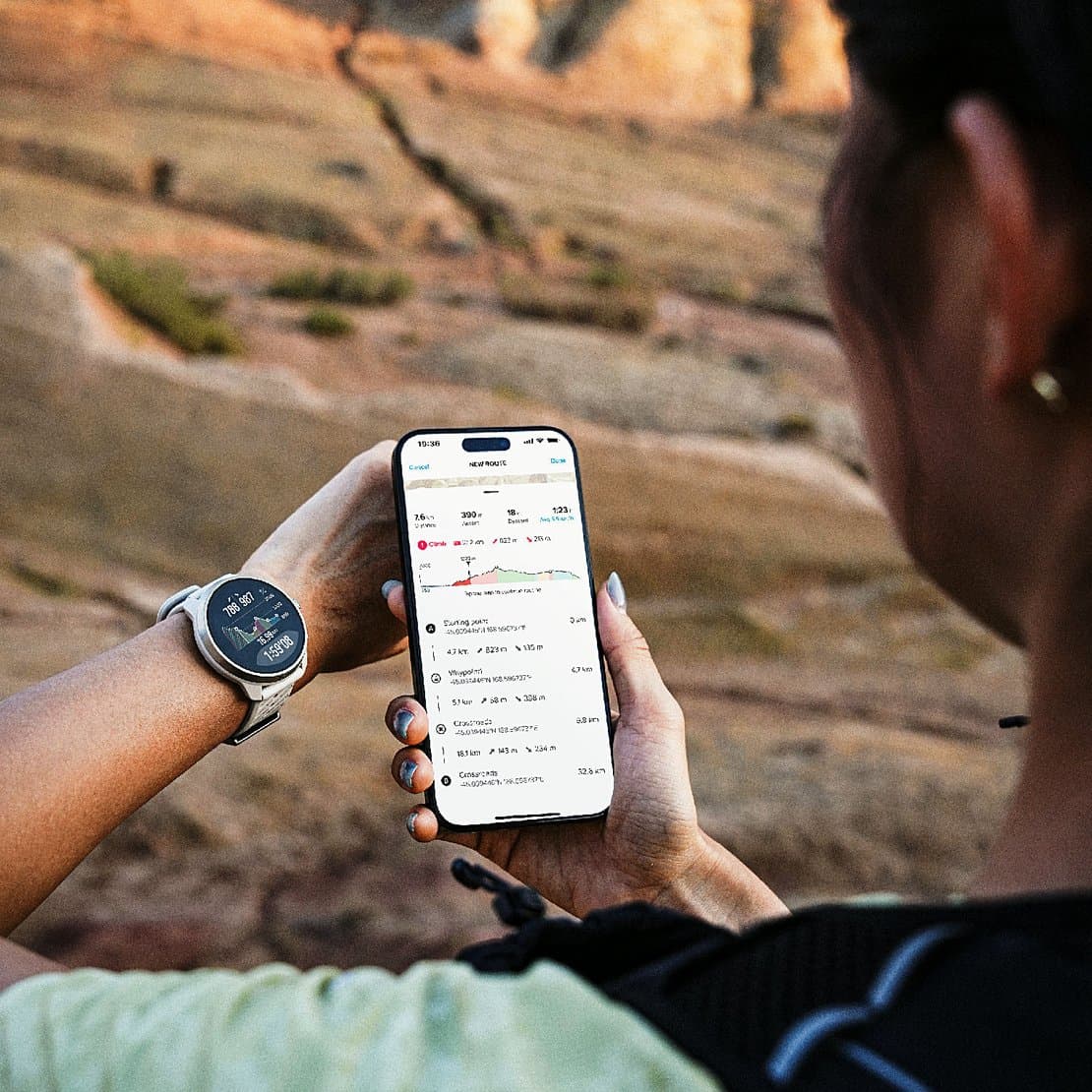
Pairing an Amazfit watch with a Stryd foot pod delivers surprisingly accurate indoor running pace for Hyrox athletes, and it does it at roughly half the cost of a comparable Garmin setup. That is the headline finding from real-world testing, and it matters because indoor running pace is one of the hardest metrics to nail without external hardware. The treadmill display lies, wrist accelerometers drift, and GPS is useless inside a Hyrox venue.
How Stryd Works With Amazfit
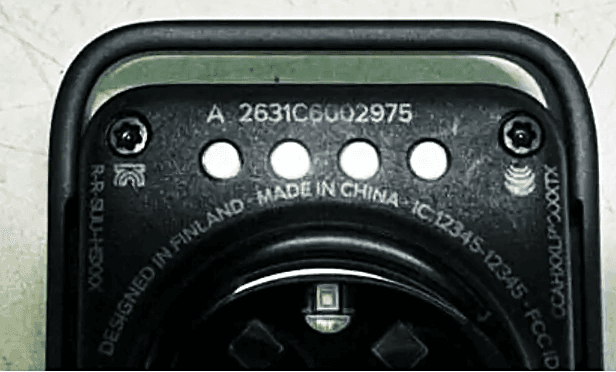
Stryd is a foot pod that calculates pace and power from accelerometer and barometric pressure data embedded in the pod itself. The baro altimeter inside Stryd reads air pressure changes to detect elevation shifts, while the accelerometer captures stride mechanics at high frequency. None of this involves optical PPG or GPS, which is exactly why it works indoors where satellites cannot reach. The Amazfit watch acts as a display and data logger, pulling metrics over ANT+ or Bluetooth depending on the model you pair.
Manual calibration is required to get the most out of this combo. Stryd auto-calibrates through outdoor GPS runs, but for pure indoor Hyrox prep, you want to run a known distance on a calibrated treadmill and dial in your calibration factor manually. This is not a plug-and-play experience the way a Garmin Forerunner 965 handles Stryd out of the box with deeper native integration. On Amazfit, you are working within the watch's third-party sensor support, which is functional but lacks some of the auto-calibration polish.
Indoor Pace Accuracy in Practice
Real-world testing shows pace accuracy within plus or minus 0.1 to 0.2 minutes per kilometer once calibrated, which is genuinely competitive with Garmin's own foot pod integration. For Hyrox racing, where you alternate between 1km runs and functional fitness stations, that precision matters. Knowing you are hitting 5:00/km instead of guessing from a treadmill belt speed keeps your pacing strategy intact across all eight running segments.
Coros also supports Stryd pairing and sits in the same price bracket as Amazfit, but Coros watches tend to have slightly better native workout structure tools for Hyrox-style interval sessions. Garmin's ecosystem remains the most polished for Stryd integration, with Running Power fields available natively and no manual calibration fuss. The Amazfit solution trades that polish for price: a capable Amazfit Balance or T-Rex 3 plus a Stryd pod lands you well under 400 euros, versus 600 euros or more for a Garmin Forerunner 965 with the same pod.
Recovery and Training Load Context
Amazfit's built-in optical PPG sensor handles heart rate at the wrist using light-based blood volume measurement, not electrical signals like a chest strap. For Hyrox training, where efforts are mixed-modal and intense, wrist optical HR can lag during rapid transitions from sled pushes to running. A chest HRM strap using electrical impulse detection will always respond faster to those spikes. Amazfit does support Bluetooth chest straps, so pairing a Polar H10 or Garmin HRM-Pro solves that gap for serious sessions.
Recovery tracking on Amazfit is functional but not deep. You get sleep stages, resting heart rate trends, and a basic readiness score. It does not approach the granularity of Whoop 5.0, which obsesses over HRV, respiratory rate, and sleep quality with a dedicated recovery algorithm. For athletes using Hyrox training blocks with high weekly volume, Whoop remains the better recovery tool. Amazfit is the performance display device, not the recovery coach.
What Is Missing
The integration gaps are real. Amazfit's training load and fitness metrics do not automatically incorporate Stryd power data the way Garmin's Training Status does. You are essentially getting pace and distance accuracy without the deeper physiological modeling that makes power-based running training useful over a full training cycle. Stryd's own app fills some of that gap, but it adds another platform to manage. For athletes who want everything in one ecosystem, this combo demands more manual work than the price advantage might be worth.
Bottom line: the Amazfit plus Stryd pairing is a smart budget solution for Hyrox athletes who need reliable indoor pace data and do not want to pay Garmin prices. It suits the athlete who is comfortable tinkering with calibration settings and does not need deep training load analytics on the watch itself. If you want a seamless out-of-the-box experience, spend the extra money on a Garmin Forerunner 265 plus Stryd and skip the manual calibration headache.
Mentioned watches
Head-to-head comparisons
Buying guides