Amazfit Cheetah 2 Pro Review: Running, Cycling, and Swimming Tested
Amazfit hasn't built a serious running watch in three years. The Cheetah 2 Pro changes that. Titanium case, sapphire glass, and a price tag roughly 50% higher than its predecessor , this is the brand swinging for Garmin Forerunner and Coros Pace territory with conviction.
Hardware and Sensors
The optical PPG sensor on the wrist handles heart rate and SpO2 via light-based blood volume measurement. Chest strap pairing is available for those who want electrical ECG-grade heart rate accuracy during hard intervals. The barometric altimeter reads air pressure for elevation data, keeping climb numbers honest without relying solely on GPS altitude, which tends to drift. GPS itself pulls from multiple constellations , Amazfit lists GPS, GLONASS, Galileo, and BeiDou. In testing against a Stryd footpod and a Garmin Forerunner 965, positional accuracy was competitive on open roads, though dense urban canyons still exposed a few wayward traces. The titanium build keeps weight down to a level that doesn't feel punishing on long runs, which matters when you're four hours into a race simulation.
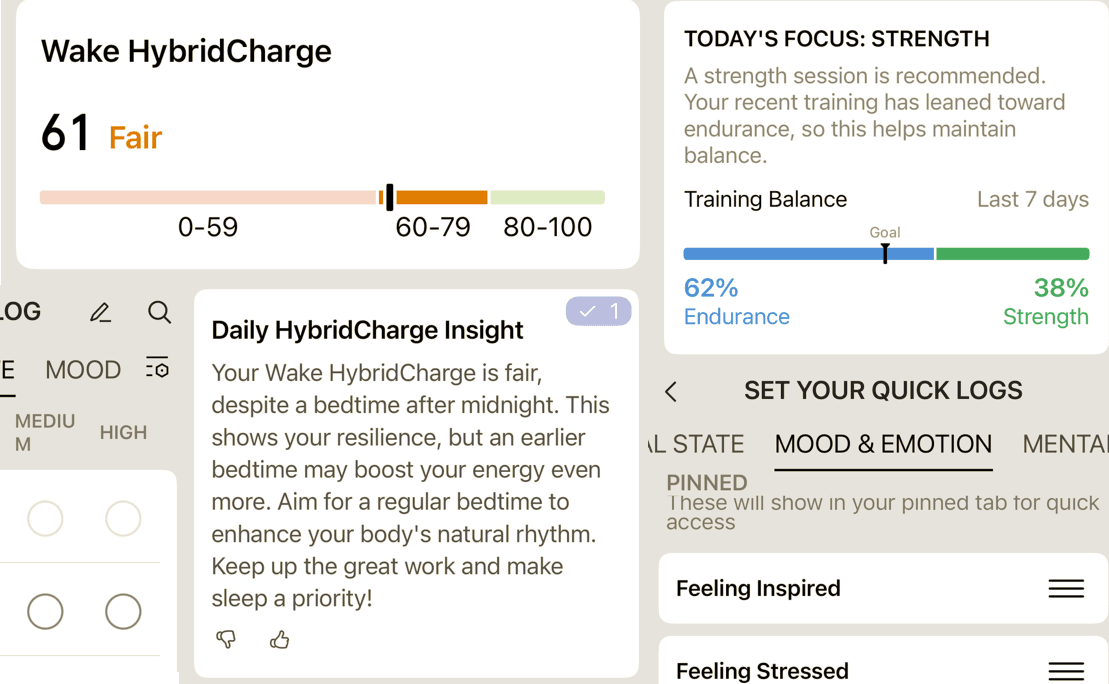
The HybridCharge readiness system is the most interesting software addition here. It combines biometric sensor data , HRV, resting heart rate, sleep quality tracked overnight via PPG , with self-reported inputs you log each morning. Garmin Body Battery runs entirely on sensor data. Whoop Recovery leans on HRV and sleep staging from its optical sensor with no manual input layer. Amazfit's hybrid approach adds subjective context: how stressed you felt yesterday, how your legs actually feel this morning. That combination can catch days where the sensor data looks clean but the athlete knows something is off. Whether it changes your training decisions depends entirely on how honestly you log those inputs.
Running and Cycling Performance
Running metrics include pace, cadence, ground contact time, vertical oscillation, and stride length , the standard set you'd expect from a Garmin or Polar Vantage V3. Stryd reference testing showed pace accuracy within acceptable margins on steady-state efforts. Track intervals were a bit noisier, which isn't unusual for wrist GPS at high speed. Auto lap, structured workout execution, and race predictor tools all functioned cleanly. The watch handled a simulated brick session , 90 minutes cycling, 40-minute run , without the GPS acquisition lag on the run segment that plagued earlier Amazfit models.
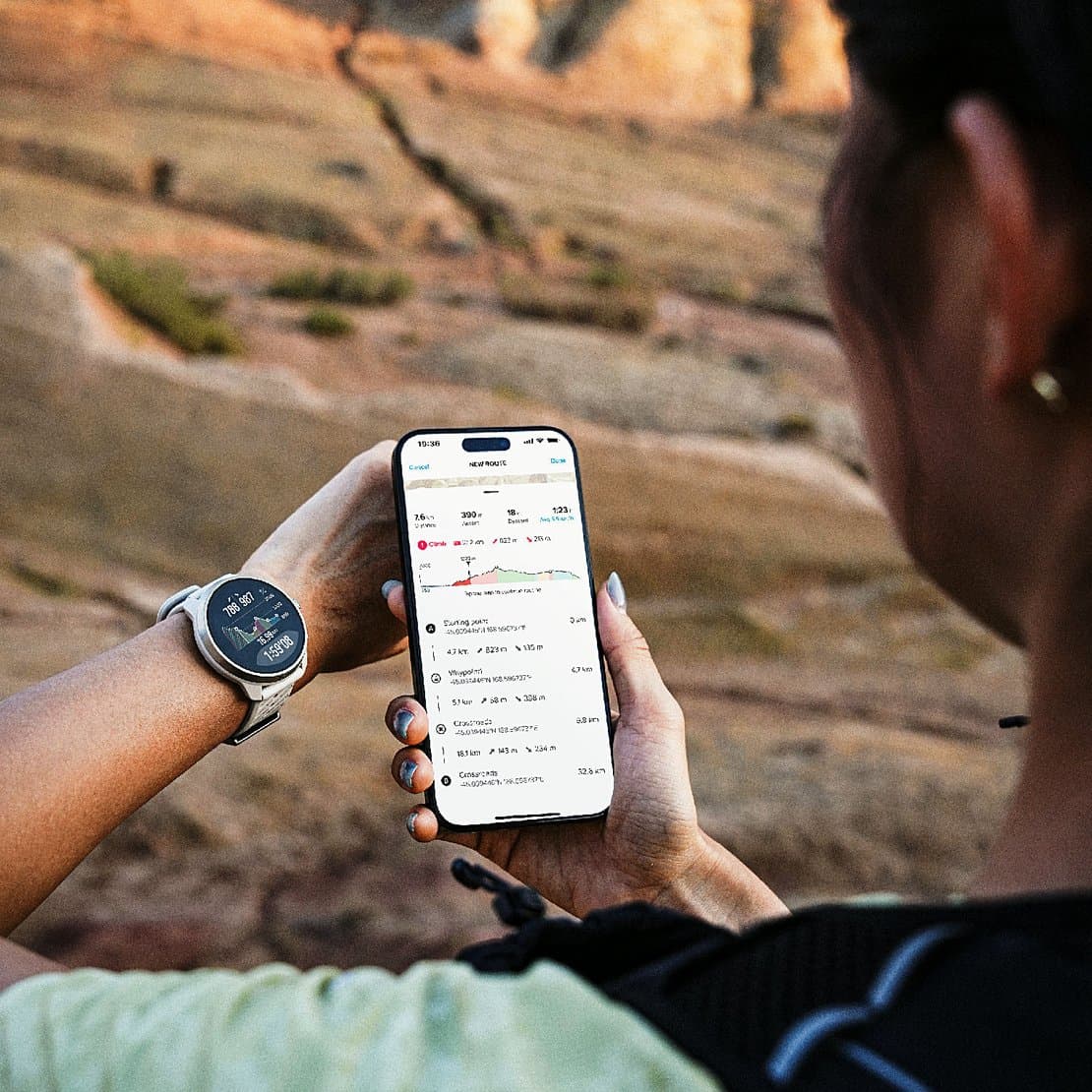
Cycling mode supports power meter pairing via ANT+ and Bluetooth, so you can run a Wahoo Tickr or your crank-based meter alongside the watch. The optical PPG heart rate held reasonably well on the bike, though at high cadence and low effort , the classic Zone 2 endurance scenario , some drift crept in. A chest strap eliminates that entirely. Elevation gain from the barometric altimeter matched Garmin reference data within 20 meters across a 600-meter climbing route, which is solid. Coros Vertix 2 is still the benchmark for climb accuracy, but the Cheetah 2 Pro isn't embarrassing itself here. If you want deeper context on how the Cheetah 2 Ultra handles long mountain rides, the [55-hour battery test](/en/articles/amazfit-cheetah-2-ultra-battery-test-55-hours-on-a-real-ride-2026-05-24) is worth reading alongside this review.
Swimming and Recovery Tools
Pool swimming tracks distance, SWOLF, stroke rate, and stroke type recognition. Open water GPS tracking worked acceptably in flat conditions. The optical sensor pauses during strokes and re-reads between laps, which is standard for wrist-based swim HR , don't expect chest strap precision here. Recovery-side, the HybridCharge score updates each morning and feeds into a suggested training load range for the day. HRV trend tracking runs continuously overnight. Sleep staging uses the PPG sensor to estimate light, deep, and REM phases , similar methodology to what Whoop and Garmin use, though Whoop's sleep algorithm has more years of refinement behind it. The Amazfit app presents all of this clearly without burying you in menus.
What's missing is frustrating given the price point. There's no built-in running power (Garmin and Coros both offer this natively now). The HybridCharge score is promising but the self-reported input system feels underbuilt , you get three or four generic sliders, nothing like the nuance a coach would actually want. Third-party app integration beyond the Zepp ecosystem is limited. Strava sync works, Training Peaks does not, which is a real problem for athletes who structure their season around TPeaks data. Battery life is rated at around 14 days in smartwatch mode and roughly 30 hours in GPS mode , competitive but not exceptional against a Coros Pace 3 at a lower price.
The Cheetah 2 Pro is the right watch for an endurance athlete who wants Amazfit's ecosystem, a premium build, and is genuinely curious about hybrid readiness scoring. At its current price, it sits in the same conversation as the Garmin Forerunner 265 and Polar Vantage M3. If Training Peaks integration is non-negotiable or you want native running power, go Garmin or Coros. If you're open to the Zepp app and want to experiment with combining sensor data and subjective logging, Amazfit has built something worth testing.
Mentioned watches
Head-to-head comparisons
Buying guides