Fitbit Air Open Water Swim Data Loss: What Athletes Need to Know
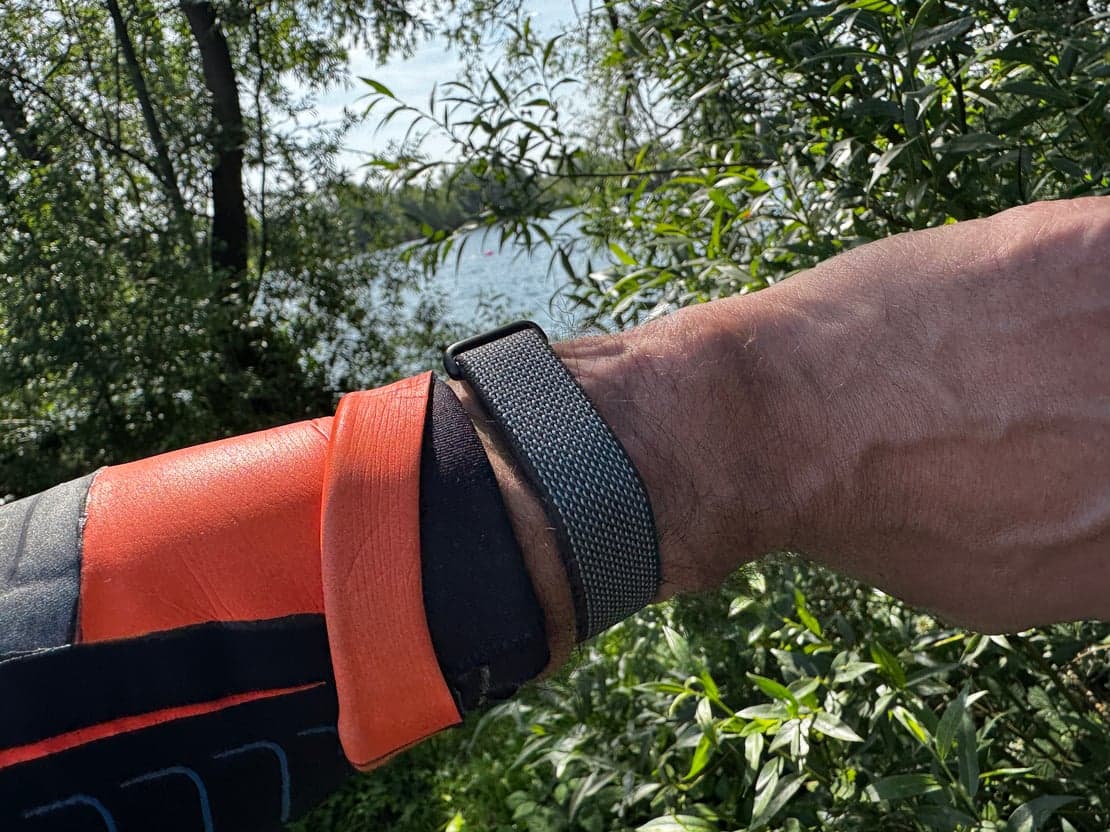
The Fitbit Air has a serious problem for open water swimmers: it loses your session data entirely. Not a minor glitch. Not a sync delay. Hours of effort, heart rate readings, and GPS tracking just gone. This is a real-world failure that goes beyond typical software bugs, and it matters a lot if you're a triathlete logging open water training blocks in 2026.
The Data Loss Problem in Detail
The root cause appears to be how the Fitbit Air handles its dedicated open water swim mode. When a session is recorded under that protocol, the data fails to transfer or save correctly, leaving athletes with nothing to analyze post-swim. The workaround floating around right now is blunt but functional: record your open water swims as runs. That's not a fix. That's a band-aid that would embarrass any serious sports tech team. For context, Garmin's Forerunner 965 and Coros Pace 3 have handled open water swim recording reliably for years, including stroke detection, distance via GPS satellites, and clean sync to their respective apps. The bar here is not high.
The Fitbit Air's optical PPG sensor sits against the wrist and uses light to measure blood volume changes. That's the mechanism behind all its heart rate data, whether on land or in the water. Optical sensors in open water swimming face known challenges: water turbulence, movement artifacts, and poor skin contact from wetsuit compression all degrade signal quality. So you're not just dealing with data loss; you're also working with a compromised signal source during the activity itself.
Heart Rate Accuracy: Fair to Poor
Testing against the Fourth Frontier ZONE ECG chest strap, which reads electrical impulses from the heart directly and is a solid reference device, the Fitbit Air showed an average underestimate bias of 11 bpm. That's a significant gap. An 11 bpm underread means your Zone 3 effort looks like Zone 2. Your training load calculations are wrong. Your recovery recommendations are wrong. Everything downstream from that number is compromised. Whoop 5.0 typically runs within 4 to 6 bpm of ECG references during steady-state cardio. The Polar H10 chest strap, using ECG-based electrical impulse detection, is still the gold standard for accuracy. The Fitbit Air's optical PPG result in this test lands well below what endurance athletes should accept as reliable training data.
This matters especially in swimming because motion artifact during open water freestyle is brutal on wrist-based optical sensors. The constant rotation of the forearm, water pressure, and sleeve fit (or lack of it) all contribute to the degraded reading. We've covered a DIY bicep placement fix in [our earlier piece on the Fitbit Air sleeve mod](/en/articles/fitbit-air-on-your-bicep-diy-sleeve-fix-and-150-minute-ride-data-2026-06-06), which improved cycling HR accuracy on a 150-minute ride, but that solution doesn't translate neatly to open water swimming.
What This Means for Triathletes Specifically
If you're building toward a 70.3 or full Ironman and you need reliable open water session data, the Fitbit Air cannot be your primary device right now. Swim data is too important in a triathlon training block to gamble on a known failure mode. The workaround of logging swims as runs gets you some heart rate data, assuming the PPG signal holds, but you lose stroke count, SWOLF, and any swim-specific analytics. You're essentially flying blind on your technique metrics. For athletes who accepted the $100 price point as a trade-off for basic reliability, this feels like a broken promise. We called out other software issues in our [cadence lock and Google Health app design failures post](/en/articles/fitbit-air-cadence-lock-and-google-health-app-design-failures-2026-06-01), and this data loss bug fits the same pattern of a device that wasn't fully tested for endurance sport use cases before launch.
Cyclists and runners using the Fitbit Air are in a better position. The 11 bpm underestimate bias is still a problem for heart rate zone training, but at least the data gets saved. The [broader Fitbit Air review against Whoop](/en/articles/fitbit-air-review-100-display-less-band-vs-whoop-in-2026-2026-06-05) covers the recovery tracking comparison in more depth, and that's where the device holds up better than it does as a swim computer.
What's missing here goes beyond one bug. There's no barometric altimeter confirmed in the Air, so elevation data on hilly open water courses with mixed terrain transitions is absent. GPS relies on your phone or is internally recorded with accuracy that hasn't matched Garmin or Coros in our testing. The app experience, running through Google Health, adds friction rather than removing it. A 3-to-5 day battery life estimate also puts it behind Whoop 5.0's similar passive monitoring window, without the same depth of recovery analytics.
The Fitbit Air at $100 made sense as a Whoop alternative for athletes who wanted passive health tracking with some sport logging capability. It still does, for runners and cyclists who train indoors or in conditions where GPS and swim mode aren't critical. But for triathletes, open water swimmers, or anyone who needs to trust that their session data will actually exist after a hard effort, the Air isn't ready. Fix the swim mode, close the 11 bpm accuracy gap, and revisit. Until then, Whoop 5.0 is a cleaner pick at a higher price, and the Coros Pace 3 covers multisport recording far more reliably for athletes who want a display.
Mentioned watches
Head-to-head comparisons
Buying guides