Amazfit T-Rex Dual Solar: First Solar AMOLED Sport Watch Confirmed
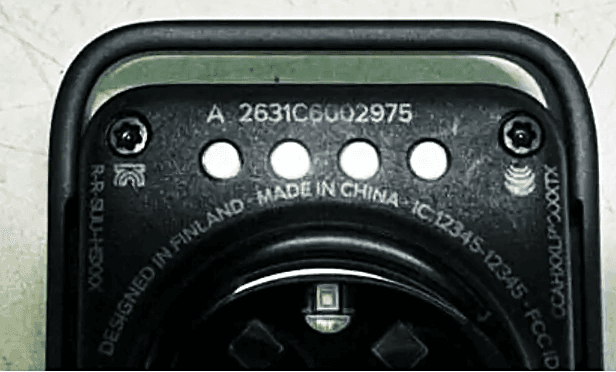
A Malaysian regulatory filing has confirmed the name of Amazfit's next rugged watch: the T-Rex Dual Solar. That "Dual Solar" tag is the real story here. No major sports watch brand has shipped a solar-charging AMOLED display in a serious endurance watch, and Amazfit is now on record as the first to try. The filing doesn't give us specs yet, but the name alone tells us a lot about where this is headed.
Why Solar Plus AMOLED Is a Hard Engineering Problem
Solar and AMOLED are genuinely opposed technologies. AMOLED panels are power-hungry and emit light aggressively, which is exactly what makes them look stunning. Solar charging works by harvesting ambient light through a transparent layer above the display, but AMOLED's brightness and color saturation interfere with solar cell efficiency. Garmin solved this by sticking with low-power MIP (memory-in-pixel) displays on its solar line, the Instinct 3 Solar and Fenix 8 Solar included. Those panels can run in always-on mode for weeks partly because MIP draws almost nothing at rest. Coros took a similar path with transflective MIP on the Vertix 2S. Amazfit is attempting something those brands haven't: keep the AMOLED experience and add meaningful solar gain on top.
The "Dual" in the name likely refers to a dual-layer panel construction, with a solar harvesting film sandwiched into the display stack, similar in concept to what Garmin uses on its MIP solar watches but adapted for AMOLED. This is not a trivial component swap. Getting useful charge rates through an AMOLED stack requires either sacrificing some display brightness or accepting lower solar efficiency than a MIP-based watch. Garmin's solar MIP panels in optimal conditions add roughly 30 to 40 minutes of GPS battery life per hour of bright sunlight exposure. What Amazfit can realistically claim with AMOLED will be the key number to watch when full specs drop.
What We Know About the T-Rex Platform
The T-Rex line is Amazfit's rugged outdoor series, MIL-STD-810H rated, with GPS multiband on recent models and Zepp OS running the show. The T-Rex Ultra, which launched in 2024, packed dual-frequency GPS, a barometric altimeter for elevation via air pressure, and optical PPG heart rate at the wrist. The Balance 3, which we tested extensively including [HYROX mode, GPS, and heart rate accuracy](/en/articles/amazfit-balance-3-review-hyrox-mode-gps-and-heart-rate-tested-2026-08-07), gives a reasonable baseline for where Amazfit's sensor suite sits right now. GPS accuracy was competitive with mid-tier Garmin in open sky. Wrist optical HR held up well at steady efforts but drifted during high-intensity intervals, which is a known limitation of PPG-based sensors at the wrist under motion artifact.
For a solar watch aimed at endurance athletes, battery life targets matter enormously. Garmin's Enduro 3 claims 90 hours of GPS with solar assist in good conditions. Coros Vertix 2S claims 140 hours GPS. Amazfit hasn't published T-Rex Dual Solar figures yet, but to compete in the expedition and ultra-trail segment, they'll need to land above 50 hours GPS with solar assist at minimum. Without that, the solar angle is more marketing than utility for multi-day events. Amazfit has also recently expanded its fitness protocol support, [adding FTMS rowing and manual swim rest tracking to eight watches](/en/articles/amazfit-adds-ftms-rowing-and-manual-swim-rest-tracking-to-eight-watches-2026-08-15), which suggests the platform is maturing in ways that matter for multisport athletes.
What's Still Unknown and What Could Disappoint
The filing confirms the name. That's it. We don't have display size, solar cell efficiency figures, GPS modes, swim depth rating, or price. The biggest risk here is that Amazfit ships a watch where solar adds only a marginal buffer, say 10 to 15 percent extra runtime, and the AMOLED brightness still needs to be throttled to make the numbers work. If always-on display mode kills solar benefit entirely, the value proposition collapses. Zepp OS also still trails Garmin Connect and Garmin's training load ecosystem on depth of analytics, which matters to data-obsessed triathletes and cyclists. Whoop 5.0 still beats any wrist watch for recovery-focused HRV tracking. Amazfit is competitive on hardware price but the software layer needs work to retain athletes who train seriously.
The T-Rex Dual Solar is genuinely interesting for trail runners, Hyrox athletes, and cyclists who want AMOLED clarity without carrying a charger on long trips. If Amazfit prices it under 400 USD and delivers real solar gains above 20 percent runtime extension, it has a case against the Garmin Instinct 3 Solar and even puts pressure on the [Fenix 9 and Enduro 4 lineup](/en/articles/garmin-fenix-9-and-enduro-4-filing-evidence-variants-likely-dates-2026-08-08) on value. If the solar contribution is cosmetic, buy the Garmin Enduro 3 or wait for Coros to respond. The proof is in the field data, and we'll test it when it ships.
Mentioned watches
Head-to-head comparisons
Buying guides