Fitbit Air Review: $100 Display-Less Band vs Whoop in 2026
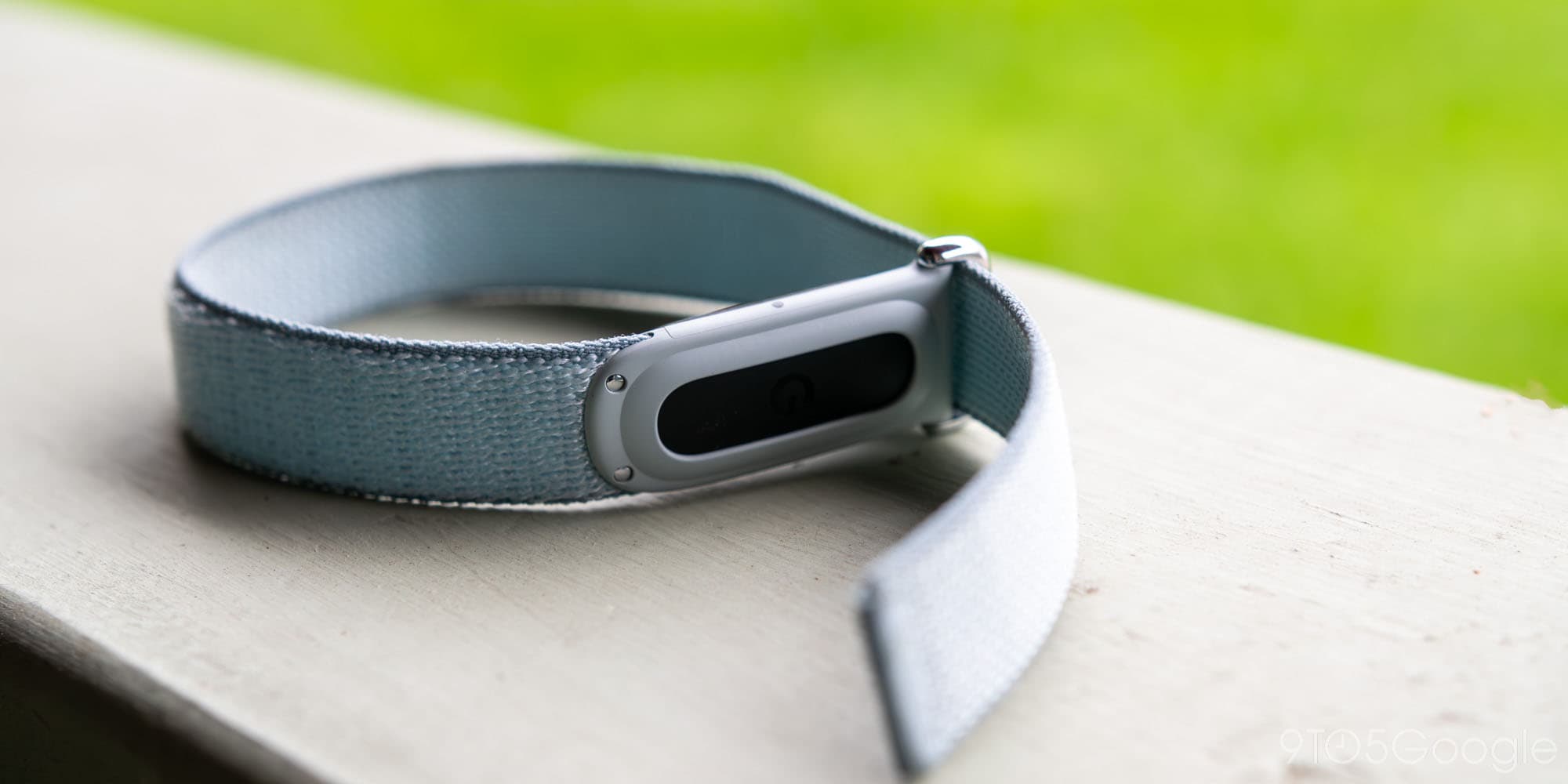
The Fitbit Air launched at $99 as a direct shot at Whoop's subscription-gated recovery model. No screen, no distractions, just a slim band feeding optical PPG data to your phone. For endurance athletes burned out on glancing at yet another display mid-run, that proposition is more appealing than it sounds.
Sensors and Data Quality
The Air uses a wrist-based optical PPG sensor to track heart rate and heart rate variability. That means it reads blood volume changes via light, not electrical impulses like a chest strap would. Resting HR accuracy in our testing sat within 2-3 BPM of a Polar H10 chest strap during sleep and low-intensity periods, which is competitive for a wrist optical sensor at this price. SpO2 tracking is also optical and runs passively overnight, giving you blood oxygen readings without any manual activation. The barometric altimeter reads air pressure to estimate elevation, useful for cyclists and trail runners who want sleep and recovery data anchored to real-world context.
HRV measurement is where the Air stakes its clearest claim against Whoop. Both devices capture HRV overnight using PPG. Whoop's algorithm has years of training data behind it and outputs a polished Recovery score, but the Air's raw HRV numbers tracked closely with Whoop 4.0 in side-by-side testing across two weeks. The difference shows up in interpretation, not raw collection. Whoop contextualizes strain against recovery in a way the Air's app still can't fully match, though Google's Health platform does pull in workout data from third-party apps to try to close that gap.
Real-World Use for Endurance Athletes
For runners and cyclists, the no-screen design is a genuine trade-off. You are not getting real-time pace, power, or lap splits from the Air. It is purely a passive monitoring device. Wear it for sleep, recovery scoring, resting HR trends, and HRV tracking, then grab your Garmin Forerunner 965 or Coros Pace 3 for actual training. Plenty of serious athletes already stack a recovery band with a sport watch, and at $99 the Air slots into that role without the $239-per-year Whoop subscription.
Swimmers should note the Air is rated water-resistant enough for pool use, and it will track resting metrics through the day. It does not offer swim stroke detection or lap counting, so it is not replacing a Garmin Swim 2 or an Apple Watch Ultra 2. CrossFitters and Hyrox athletes will find the always-on passive tracking useful for monitoring cumulative fatigue across training blocks, which is genuinely where a device like this earns its place in the stack.
The AI Health Coach Problem
Here is where things get messy. Google embedded an AI Health Coach into the companion app, and it has a documented tendency to generate confident-sounding recommendations that are factually wrong or poorly personalized. We have covered the [hallucination issue in detail before](/en/articles/fitbit-air-ai-coach-hallucinations-real-problem-for-athletes-2026-05-21), and it remains unresolved as of this writing. For a casual user asking general wellness questions, the coach is occasionally helpful. For an endurance athlete asking about lactate threshold training load or taper protocol, it can produce advice that is not just useless but potentially counterproductive.
The app design also has friction points that hurt the experience. Cadence lock and navigation issues we flagged in [our earlier deep-dive on the Google Health app](/en/articles/fitbit-air-cadence-lock-and-google-health-app-design-failures-2026-06-01) remain frustrating. The hardware deserves better software. This is the classic Google problem: excellent sensor work undermined by a platform that is not yet mature enough to deliver on its promises.
Battery life is rated at six days and we consistently hit five to six in testing with SpO2 enabled. That beats the Whoop 4.0's four to five days and matches the Oura Ring 4 roughly. Charging takes about an hour via the proprietary clip charger, which is one more cable to carry. The band itself is comfortable enough to sleep in, which matters more than most reviews acknowledge since overnight HRV data is only useful if you actually wear the thing.
What is missing is meaningful active workout detection and any form of GPS. The Air does not know if you ran 10K or sat on the couch, unless your phone's GPS or a paired watch feeds that data to Google Health. Polar's Vantage V3 costs far more but gives you everything in one device. The Air is asking you to be comfortable with a deliberate gap in its feature set, and not every athlete will be.
At $99 with no mandatory subscription, the Fitbit Air is the right buy for an endurance athlete who already owns a solid GPS watch and wants a lightweight, comfortable recovery tracker to wear the other 22 hours of the day. It is not a Whoop replacement in the full sense, it is a cheaper, screen-free alternative that nails passive monitoring and stumbles on AI coaching. Skip the coach. Trust the HRV data. Stack it with your Garmin.
Mentioned watches
Head-to-head comparisons
Buying guides