Garmin Edge 1060 Filing and Amazfit Activity Sync: June 2026 Roundup
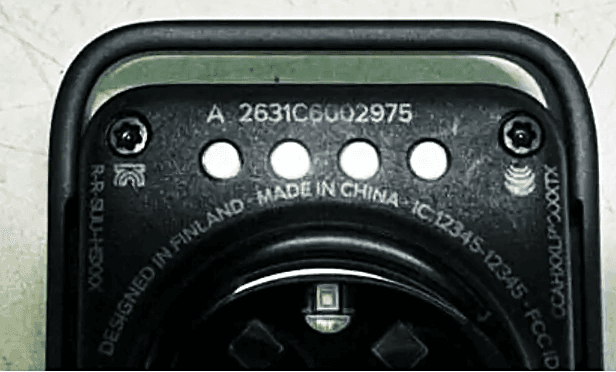
Two separate pieces of news landed this week that matter to cyclists and multi-sport athletes tracking gear upgrades. First, a Garmin device filed under model number A04831 has surfaced in UAE and Malaysian regulatory databases, pointing squarely at an imminent Edge 1060 launch. Second, Zepp OS 6 has introduced Multi-Device Activity Sync to the Amazfit Balance 3 and Balance Ultra, a feature Garmin has offered since 2016 with TrueUp. Neither story is a finished product review, but both tell you something useful about where cycling computers and wearables are heading right now.
Garmin Edge 1060: What the Regulatory Filing Actually Tells Us
Regulatory filings are one of the most reliable pre-launch signals in consumer electronics. The UAE and Malaysian database entries for model A04831 follow a pattern Garmin has used repeatedly before major product drops. The FCC filing has not appeared yet, which suggests the official announcement is still weeks out rather than days, but the timing aligns cleanly with the June 2026 window that supply chain sources had flagged earlier. If you want the full context on what this means alongside the MARQ Gen 3 signals, the breakdown at [Garmin MARQ Gen 3 and Edge 1060: What the Signals Mean](/en/articles/garmin-marq-gen-3-and-edge-1060-what-the-signals-mean-2026-06-07) is worth reading.
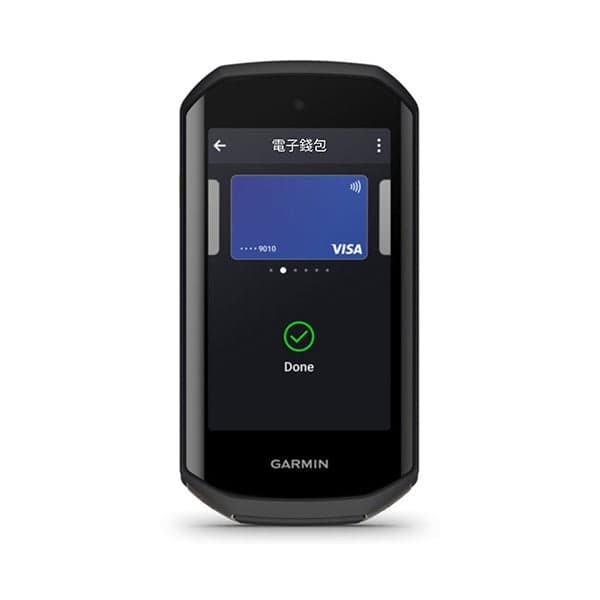
The current Edge 1050 sits at around 650 USD and runs a barometric altimeter for elevation data, multi-band GPS for satellite positioning accuracy, and a touchscreen that cyclists either love or hate in wet gloves. The Edge 1060 is expected to build on that platform rather than rebuild it from scratch. Competitors like the Wahoo ELEMNT BOLT v3 and Hammerhead Karoo 3 have pushed hard on navigation UX and third-party app integration, so Garmin will need to answer on those fronts specifically. Battery life on the Edge 1050 sits at roughly 24 hours in standard GPS mode, and any improvement there would be a genuine selling point for long-distance cyclists and Ironman athletes doing multi-day training camps.
What remains unknown is whether the Edge 1060 will incorporate any updated optical sensor work for on-wrist heart rate during cycling, or whether it stays purely as a head unit relying on chest HRM straps for electrical impulse-based heart rate data. The Garmin HRM-Pro Plus uses ECG-based technology at the chest for accurate beat-to-beat data, which is what serious cyclists use for power and lactate threshold work. Do not expect the Edge 1060 itself to carry PPG optical sensors. It is a bike computer, not a wrist device.
Amazfit Multi-Device Activity Sync: How It Compares to Garmin TrueUp
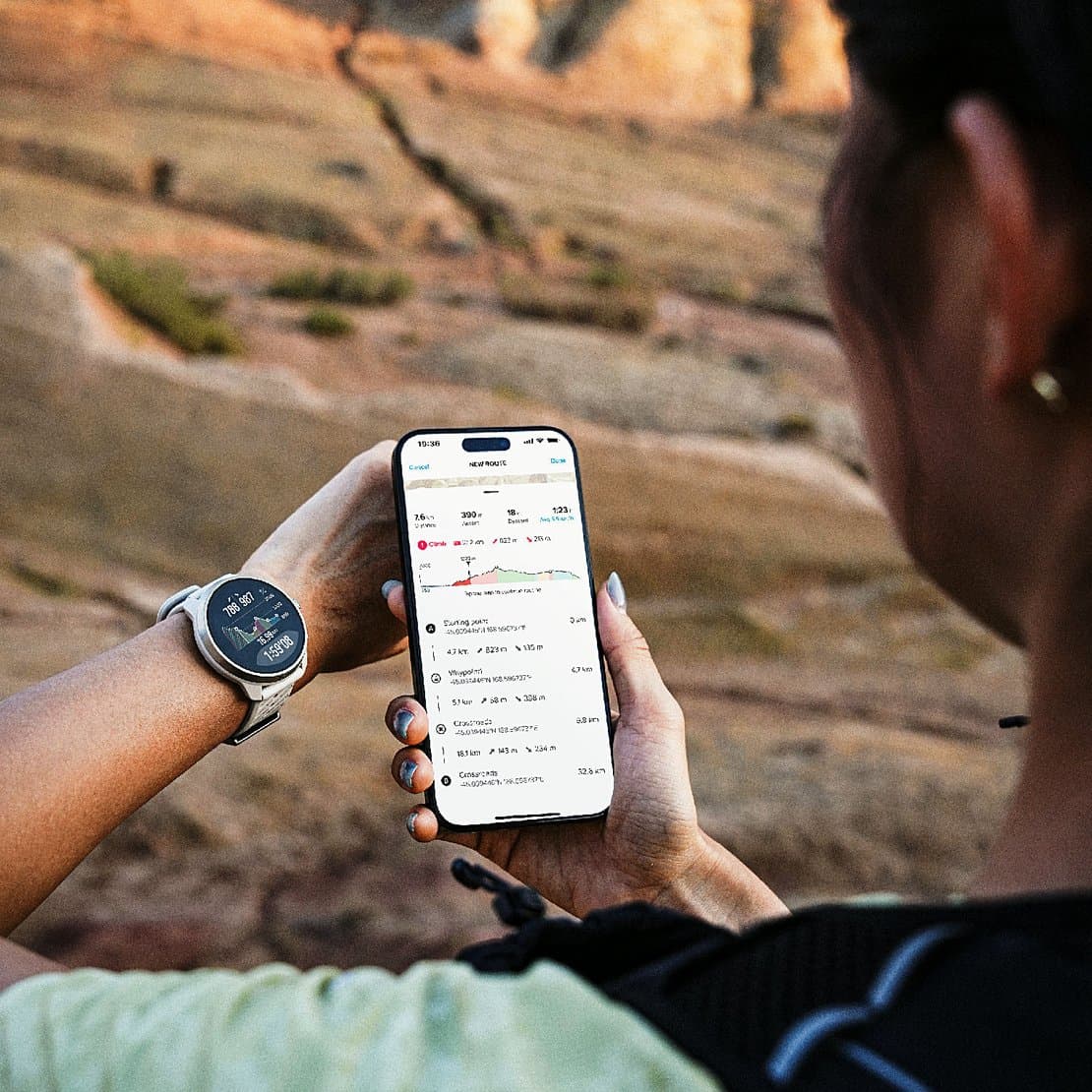
Zepp OS 6 brings Multi-Device Activity Sync to the Balance 3 and Balance Ultra, consolidating steps and calories across devices worn at different times. The feature is real and functional. It is also exactly what Garmin TrueUp did when it launched in 2016, ten years ago. Credit to Amazfit for shipping it, but framing it as a competitive leap requires some perspective.
The genuinely interesting question is whether Amazfit's sync covers workout load, not just passive metrics like steps and calories. Garmin's TrueUp handles activity data including structured workouts, meaning if you run with your Forerunner 965 in the morning and switch to a Fenix 8 in the afternoon, your training load metrics stay coherent. If Zepp OS 6 only consolidates passive tracking data, it is a wellness feature, not a training tool. For a triathlete or Hyrox athlete who might rotate between a dedicated training watch and a lighter everyday device, load consolidation is the part that actually matters. The Balance 3 starts at around 300 USD, which puts it below the Garmin Forerunner 965 at 599 USD and the Polar Vantage V3 at around 499 USD, so price is a real argument for Amazfit if the software catches up. The Amazfit lineup has been developing fast in 2026, as covered in the [Oura IPO, Garmin EU Features, Amazfit Cheetah 2 Pro roundup](/en/articles/oura-ipo-garmin-eu-features-amazfit-cheetah-2-pro-june-2026-roundup-2026-05-22).
The Balance 3 and Balance Ultra use PPG optical sensors at the wrist for heart rate and SpO2, the same light-based blood volume detection technology that Garmin, Polar, and Apple Watch all use. Zepp OS 6 also includes a barometric altimeter on the Ultra variant for air pressure-based elevation tracking. Hardware-wise, the gap between Amazfit and Garmin at the sensor level has genuinely narrowed. Software depth and ecosystem trust are the remaining gaps, and activity sync is a step toward closing the second one.
What is still missing from the Amazfit ecosystem is the kind of deep third-party integration that cyclists and triathletes rely on. TrainingPeaks sync, Strava live segments, and power meter compatibility all remain stronger on Garmin and Wahoo platforms. The Zepp app has improved but still feels like it was designed for general wellness users first and endurance athletes second. That matters if you are managing a structured training block with a coach.
For the Edge 1060, the wait is the main frustration. Garmin has not confirmed specs, pricing, or a release date publicly. The regulatory filing tells us it is coming, not when or at what cost. Cyclists currently on the Edge 1050 or Karoo 3 have no concrete reason to hold off purchases based on this filing alone, especially with the Q2 2026 firmware updates already improving existing Edge functionality as detailed in the [Garmin Q2 2026 firmware breakdown](/en/articles/garmin-q2-2026-firmware-six-watch-features-two-edge-updates-explained-2026-06-06).
Bottom line: the Edge 1060 filing is a credible signal for serious cyclists who want the best Garmin head unit and can wait a few weeks. If the Edge 1050 at current pricing is tempting, check whether a price drop follows the launch announcement. For Amazfit, the Balance 3 at 300 USD is worth a look for athletes who primarily track running and recovery and do not need deep power meter or structured workout ecosystem support. The activity sync feature is useful, not transformative. Garmin TrueUp is still the more mature implementation, and Whoop 5.0 does not even attempt cross-device step consolidation, so Amazfit is ahead of at least one major competitor on this specific metric.
Mentioned watches
Head-to-head comparisons
Buying guides