Garmin Makes inReach SOS Free After Apple Satellite Pressure
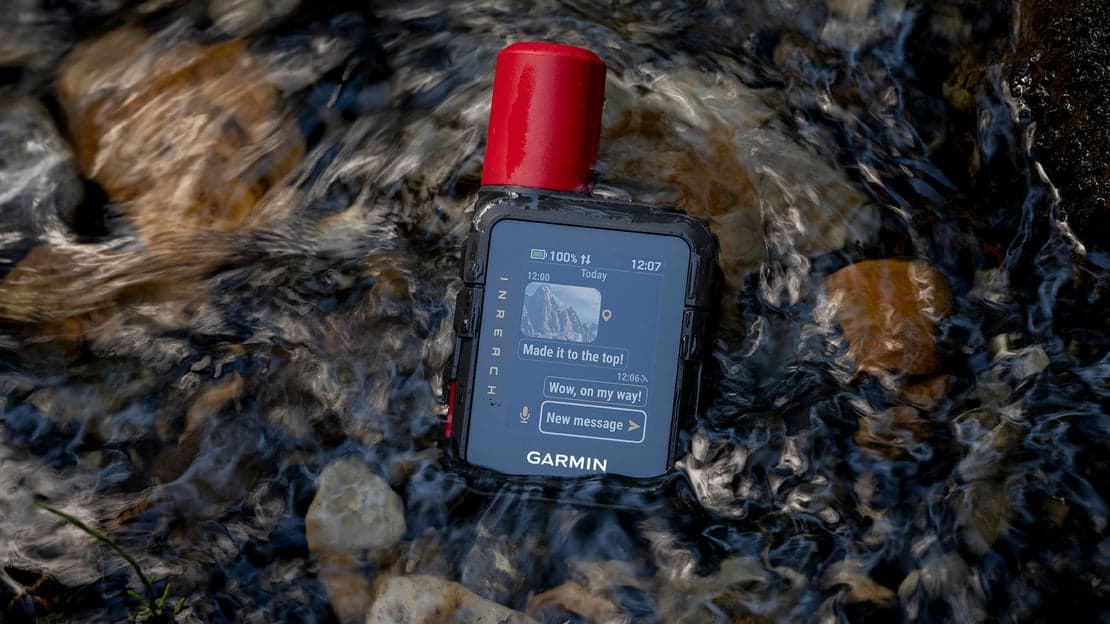
Garmin has quietly made SOS emergency messaging free on suspended inReach plans for up to 12 months. The devices covered are the Mini 2, Mini 3 series, and Fenix 8 Pro Solar. The direct trigger is Apple's free satellite SOS, which ships on every iPhone 14 and later at no ongoing cost to users.
What the Policy Change Actually Means
Previously, if you paused your inReach subscription, your SOS capability went dark. You were paying for a safety net, and the moment you stopped paying, the net disappeared. Now Garmin allows suspended plans to retain SOS access for up to a year. That is a meaningful shift for seasonal athletes, say cyclists who store the device all winter, or mountain runners who only carry it during summer ultras.
The inReach network runs on Iridium satellites, meaning two-way messaging and SOS coverage is genuinely global, including polar regions where Apple's Emergency SOS via satellite (which uses Globalstar) has gaps. That distinction matters if you race in remote northern terrain or paddle in high latitudes. But for the vast majority of endurance athletes doing trail ultras in Europe or North America, Apple's coverage is sufficient and costs literally zero per month.
The Apple Comparison Garmin Cannot Ignore
Apple launched satellite SOS with iPhone 14 in late 2022 and has offered it free ever since. No subscription, no hardware add-on, no suspended plan anxiety. The Fenix 8 Pro Solar retails around 1,100 USD. Buyers of that watch who also carry an iPhone have been asking a fair question: why pay 15 to 35 USD per month for inReach connectivity when the phone already handles emergencies for free? Garmin's answer, until now, was essentially "because you have to." That answer became harder to defend every single quarter.
Coros does not offer satellite SOS on any current watch. Polar has no satellite integration at all. So this is genuinely a two-horse race between Garmin and Apple on satellite safety, and Garmin just blinked first. If you are curious about broader brand loyalty dynamics heading into late 2026, the data on [who is actually switching away from Garmin](/en/articles/garmin-and-coros-owners-most-likely-to-switch-brands-in-2026-2026-06-09) is worth reading.
Practical Impact for Endurance Athletes
For a trail runner or bikepacker who wants inReach for true two-way texting and live tracking shared with family, the subscription still makes sense. Those features stay paywalled. SOS alone going free just removes the "I have to keep paying even in the off-season" friction. Think of it as Garmin protecting the hardware sale rather than giving away the service. You still need to activate a plan initially before suspending it, so there is no free ride from day one.
The Fenix 8 Pro Solar handles GPS positioning via satellite constellation (multi-band GNSS), uses a barometric altimeter for elevation via air pressure changes, and the optical PPG sensor on the wrist handles heart rate via light-based blood volume measurement. None of those sensors interact with the inReach SOS system, which is a completely separate Iridium radio module. Worth clarifying because the feature list on these watches gets dense fast.
For swim-bike-run athletes specifically, the inReach integration is most relevant on long course or adventure events where course support is thin. A suspended plan with free SOS gives you a credible safety argument for carrying the Mini 2 during a multi-day cycling tour without committing to monthly fees year-round. That is a real improvement in the value equation.
What Is Still Missing
Garmin has not matched Apple on the zero-friction entry point. You still need to create an account, activate a paid plan, and then suspend it to access the free SOS window. Apple's system just works when you need it, no prior enrollment required. The 12-month cap on free SOS during suspension also means long-term shelf storage past a year leaves you unprotected again. And two-way messaging, the feature that actually differentiates inReach from Apple, remains firmly behind a subscription wall starting around 15 USD per month for the basic Safety plan.
This move is reactive, not generous. Garmin is protecting hardware revenue on the Fenix 8 Pro and Mini series by removing a friction point that was actively pushing buyers toward the Apple ecosystem. For athletes who were already eyeing a switch, it may not be enough on its own. The [recent Garmin firmware updates for Q2 2026](/en/articles/garmin-q2-2026-firmware-six-watch-features-two-edge-updates-explained-2026-06-06) show Garmin is still investing in the platform, but competitive pressure from Apple on safety features is real and ongoing.
Bottom line: if you already own a Fenix 8 Pro Solar or inReach Mini 2 or Mini 3, this is a straightforward win. Suspend your plan in the off-season and keep SOS live at no cost. If you are buying new and pure emergency safety is the only use case, Apple's satellite SOS on a current iPhone is still the cheaper and simpler option. The inReach subscription justifies itself only if you need two-way messaging and live tracking, features that remain Garmin's actual differentiator at 15 USD per month and up.
Mentioned watches
Head-to-head comparisons
Buying guides