Strava's 30 Job Listings Reveal IPO Strategy and AI Plans
Strava is hiring hard. Thirty open roles across four countries have quietly appeared on the company's careers page, and the pattern is impossible to ignore: this is a business preparing for a public offering, not just filling gaps on an engineering team. For endurance athletes who rely on Strava daily to log runs, rides, and brick sessions, the direction of that hiring tells you exactly what the platform will look and feel like in 12 to 24 months.
AI Mapping and Route Intelligence
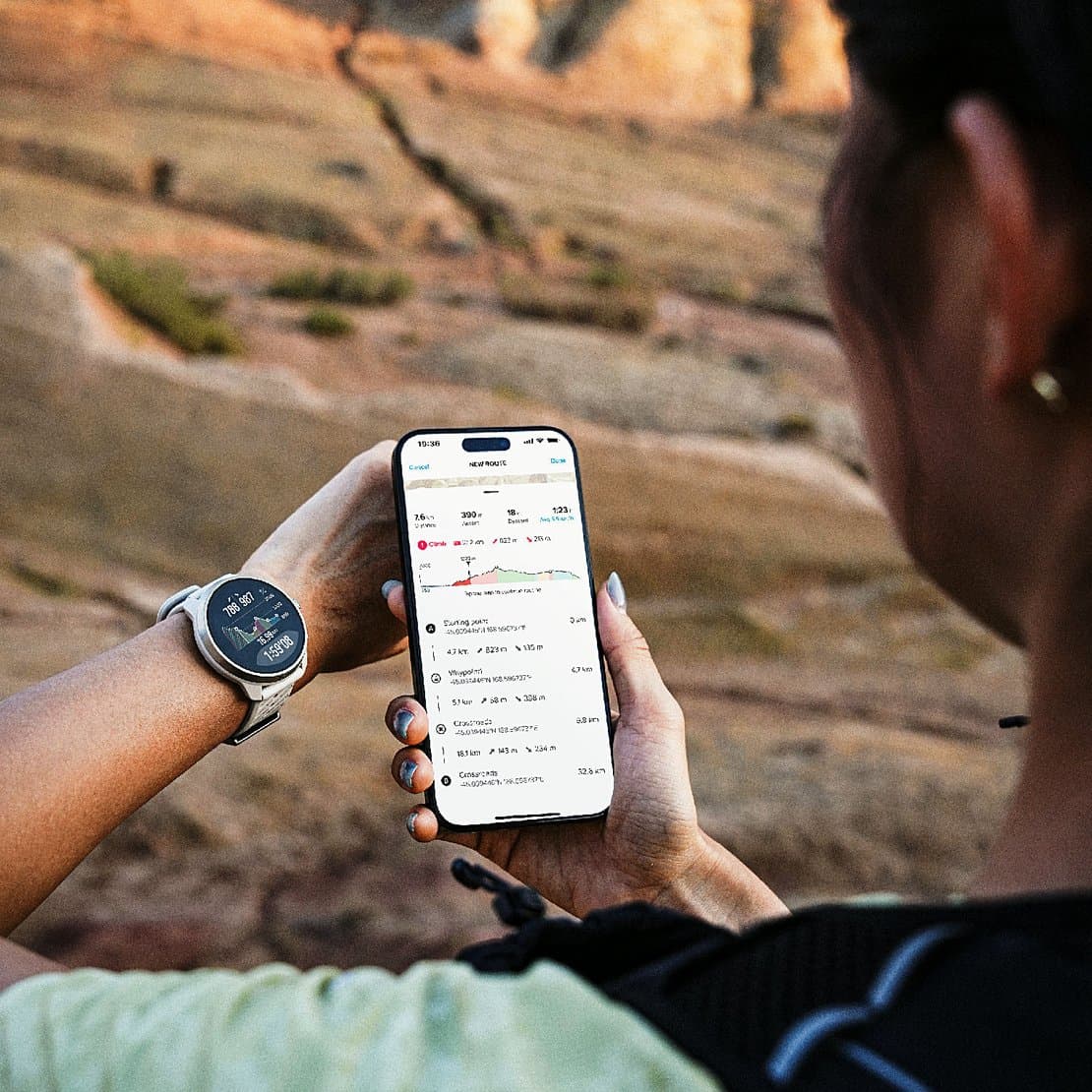
The largest cluster of new roles sits inside AI and mapping. Strava is building what looks like a proprietary route intelligence layer, pulling from its enormous dataset of GPS tracks logged by athletes worldwide. GPS accuracy on the platform has always depended on the quality of data pushed from devices like the Garmin Fenix 8, Coros Vertix 3, or Apple Watch Ultra 2, but Strava's own processing of that satellite data is where the real differentiation will come. Smarter heatmaps, predictive routing, and surface-type detection are the obvious outputs. For a triathlete scouting a new bike course or a trail runner planning a 50K route, that matters more than another badge.
The AI push also signals a move toward personalized training insights inside the app itself. Right now, Strava's fitness and freshness metrics are basic compared to Garmin Connect's Training Readiness score or Polar's Nightly Recharge, which uses heart rate variability data captured through optical PPG sensors on the wrist overnight. If Strava can layer predictive load management over its social graph, it becomes stickier than any single hardware ecosystem. That is exactly the kind of retention argument investors want to hear at an IPO roadshow.
Subscription Retention and B2B Revenue
Several of the 30 roles are explicitly focused on subscription retention and reducing churn. Strava's Summit tier costs around 80 USD per year, and losing paying members to Garmin Connect, Training Peaks, or Intervals.icu is a real risk. The new hires in this area will almost certainly be working on features like segment leaderboards, club tools, and social comparison mechanics that keep competitive athletes logging back in every week. CrossFitters and Hyrox athletes in particular have been underserved by Strava's activity recognition, so expect structured workout support to improve.
On the B2B side, Strava is clearly building out its partnerships and enterprise revenue stream. Race organizers, tourism boards, and urban planners already pay for Strava Metro data. Expanding that into a full B2B product suite, with API access tiers and branded segment sponsorships, diversifies revenue away from pure consumer subscriptions. That story is worth a meaningful revenue multiple when the company eventually files its S-1. It also means athletes will likely see more brand integrations inside the app, which is a tradeoff worth watching.
Regulatory Compliance Hiring
Four of the 30 roles are in legal and regulatory compliance, spread across Europe and the US. GDPR enforcement in the EU has become more aggressive since 2024, and Strava's location data is among the most sensitive any consumer app holds. A single heatmap update in 2018 inadvertently revealed military base perimeters worldwide, and regulators have not forgotten. For athletes, this hiring wave is actually reassuring: it suggests Strava is taking data governance seriously ahead of the scrutiny that comes with being a publicly traded company. Your GPS tracks, heart rate streams pushed from chest ECG straps or wrist optical sensors, and workout history will be subject to stricter internal data handling policies.
What is missing from the hiring picture is meaningful investment in hardware or sensor integration depth. Whoop 5.0 and Garmin's latest HRV-based recovery tools push data into Strava via API, but the integration remains shallow. You get an activity file and a map. You do not get the full optical PPG-derived heart rate variability context or the barometric altitude profile in a way Strava actually uses for coaching insights. Until Strava hires sensor data scientists who understand the difference between what a chest strap captures electrically versus what a wrist sensor reads via light absorption, the platform will stay a social layer on top of other companies' physiology tools.
The verdict: Strava is building toward an IPO, not toward becoming your coach. If you are a data-driven triathlete or runner already paying for Garmin Connect Plus or Training Peaks, nothing in these job listings should push you to change your primary analysis tool. But if you live on Strava for motivation, community, and route discovery, the platform is about to get meaningfully better on all three fronts. Worth keeping the subscription at 80 USD per year. Not worth canceling Garmin Connect for it.
Mentioned watches
Head-to-head comparisons
Buying guides