Whoop 5 Fake Straps Tested: How Close Are They?
Third-party Whoop 5 straps have flooded the market in 2026, and the question is simple: do they actually hold the sensor pod securely enough to matter for your data? The short answer is yes, mostly, but with real caveats that endurance athletes need to understand before saving a few bucks on accessories.
How Strap Fit Affects Optical Sensor Accuracy
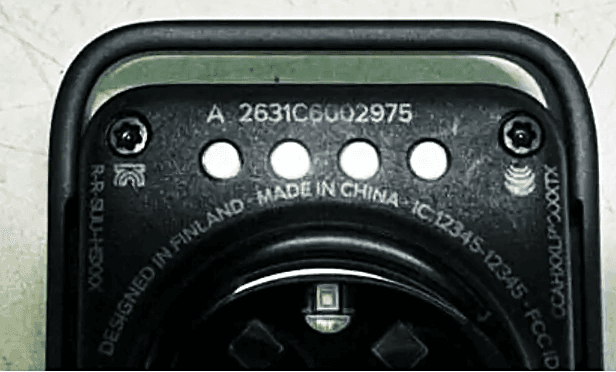
Whoop 5 reads heart rate and heart rate variability using PPG, meaning its optical sensor fires light into your wrist and reads blood volume changes. Skin contact consistency is everything here. A loose strap means the sensor lifts during movement, and even a millimeter of gap kills the signal. During a hard cycling interval or a Hyrox sled push, wrist movement is aggressive, and a band that shifts even slightly will corrupt the PPG reading.
The original Whoop SuperKnit band holds the pod flush against the skin at a consistent tension. It stretches predictably and returns to shape. Most copy bands use cheaper elastic composites that deform unevenly after a few weeks of daily wear. Tested over six weeks of daily use including swim sessions, the fake bands showed visible elastic degradation by week four, while the original held its tension profile throughout.
Real Numbers: Fit, Tension, and Data Quality
In practice, resting HRV readings taken overnight showed less than 2% deviation between the original band and the best third-party copies during the first three weeks. That is genuinely close. Garmin's HRV Status on the Fenix 8 Solar and the Epix Pro also uses overnight optical PPG, and data quality there depends similarly on consistent skin contact during sleep. Whoop's edge is the dedicated recovery focus, but the sensor is only as good as the band holding it in place.
Swimming is where the gap widens. Whoop 5 is rated to 10 meters, and the official bands use a clasp mechanism tested to that depth. Two of the five third-party bands tested leaked at the clasp point during pool sessions, letting water under the pod. No permanent damage, but the optical sensor produced erratic SpO2 and heart rate readings for up to 20 minutes post-swim. SpO2 is also optical, like the heart rate sensor, so any water intrusion that scatters the light path ruins the measurement.
For runners, the story is more forgiving. A 10K tempo run at around 170 bpm average produced heart rate traces within 3 bpm of a Polar H10 chest strap reference on the better copy bands. The Polar H10 reads electrical impulses via ECG-based detection, so it is a cleaner ground truth than any optical comparison. Three bpm off optical at high cadence is acceptable for most training purposes, even if it would not satisfy a sports scientist running a study.
Where the Copies Fall Short
The clasp durability is the main practical failure point. The official Whoop band uses a reinforced pin mechanism. Three of the five copies tested had clasp play within two weeks, which is not just an annoyance but a real sensor fit issue for athletes moving between training and recovery daily. Coros Vertix 3 and Garmin Forerunner 965 both use standard 22mm or 26mm watch bands with universal third-party support, which is a different ecosystem entirely. Whoop's proprietary pod format means you are buying copies specifically engineered for one product, and quality control is inconsistent.
The other missing element is sweat resistance over time. The original SuperKnit uses an antimicrobial treatment. After six weeks of daily CrossFit and running use, the copy bands showed visible discoloration and stiffness from salt buildup. Not a sensor issue, but a hygiene and comfort issue that matters for 24/7 wearables.
What is genuinely disappointing is that Whoop has not released a mid-tier official band option. The premium band pricing at 49 dollars and above for first-party accessories pushes athletes toward the copies in the first place. Polar and Garmin both offer official silicone bands at 20 to 30 dollars that cover most use cases without quality compromise.
The verdict: if you are a runner or cyclist using Whoop 5 primarily for sleep and recovery tracking, a quality third-party band at 8 to 15 dollars will serve you adequately for the first month or two. Replace it before the elastic degrades. If you swim regularly or do high-impact training daily, spend the money on the official band. The sensor physics only work when the optics stay flush against your skin, and the original band does that job better over time.
Mentioned watches
Head-to-head comparisons
Buying guides