Oura Ring Becomes Official Wearable of the US Open Tennis

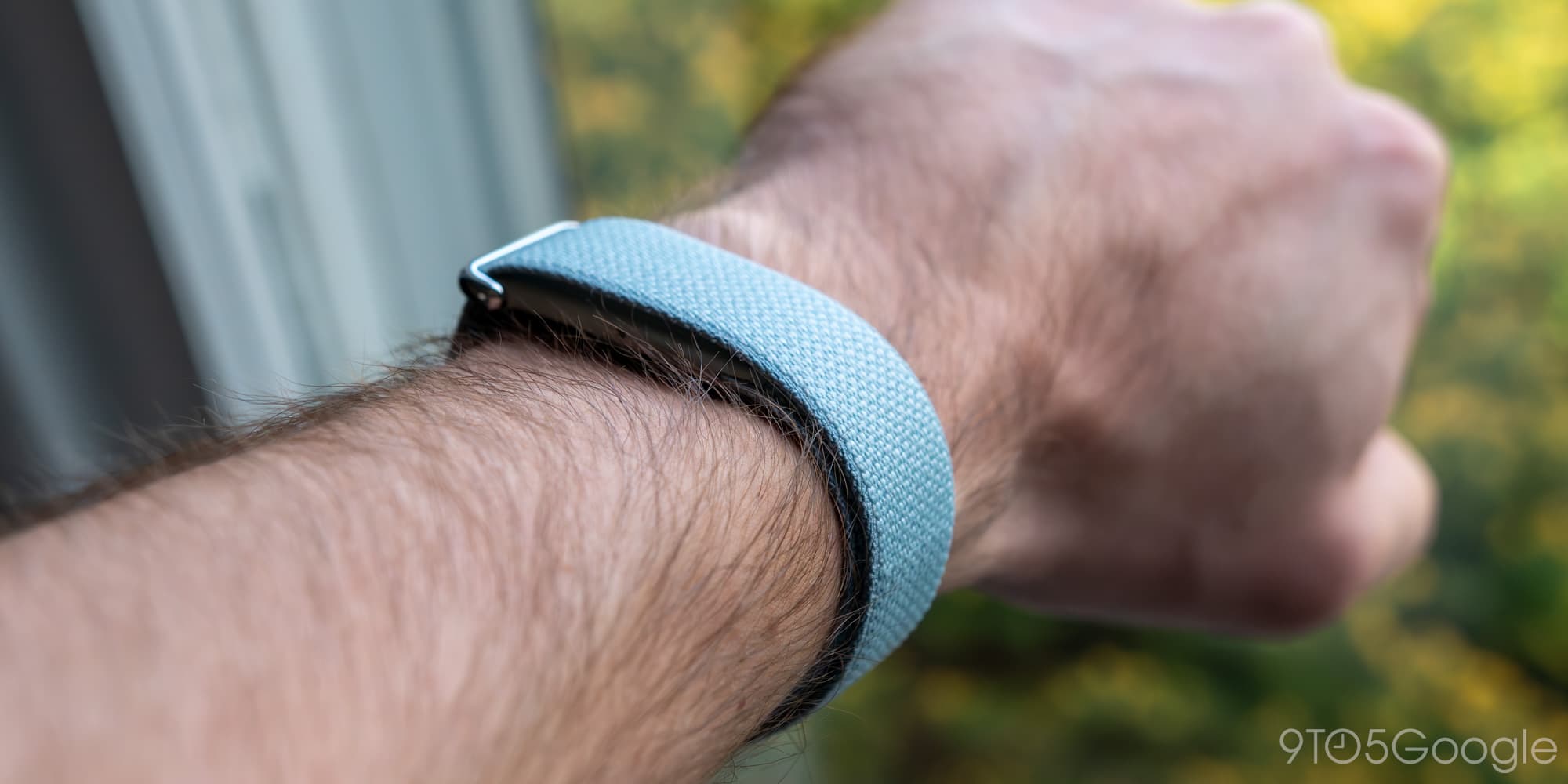
Oura has locked in a five-year deal with the U.S. Tennis Association, making the Oura Ring the official wearable fitness device of the USTA, USTA Coaching, and the US Open. This is the first wearable partnership the USTA has ever signed, which tells you something about where recovery tracking sits in elite sport right now. It is a big visibility play for Oura, and it puts the ring on one of the world's most-watched summer sporting stages.
What Oura Actually Measures
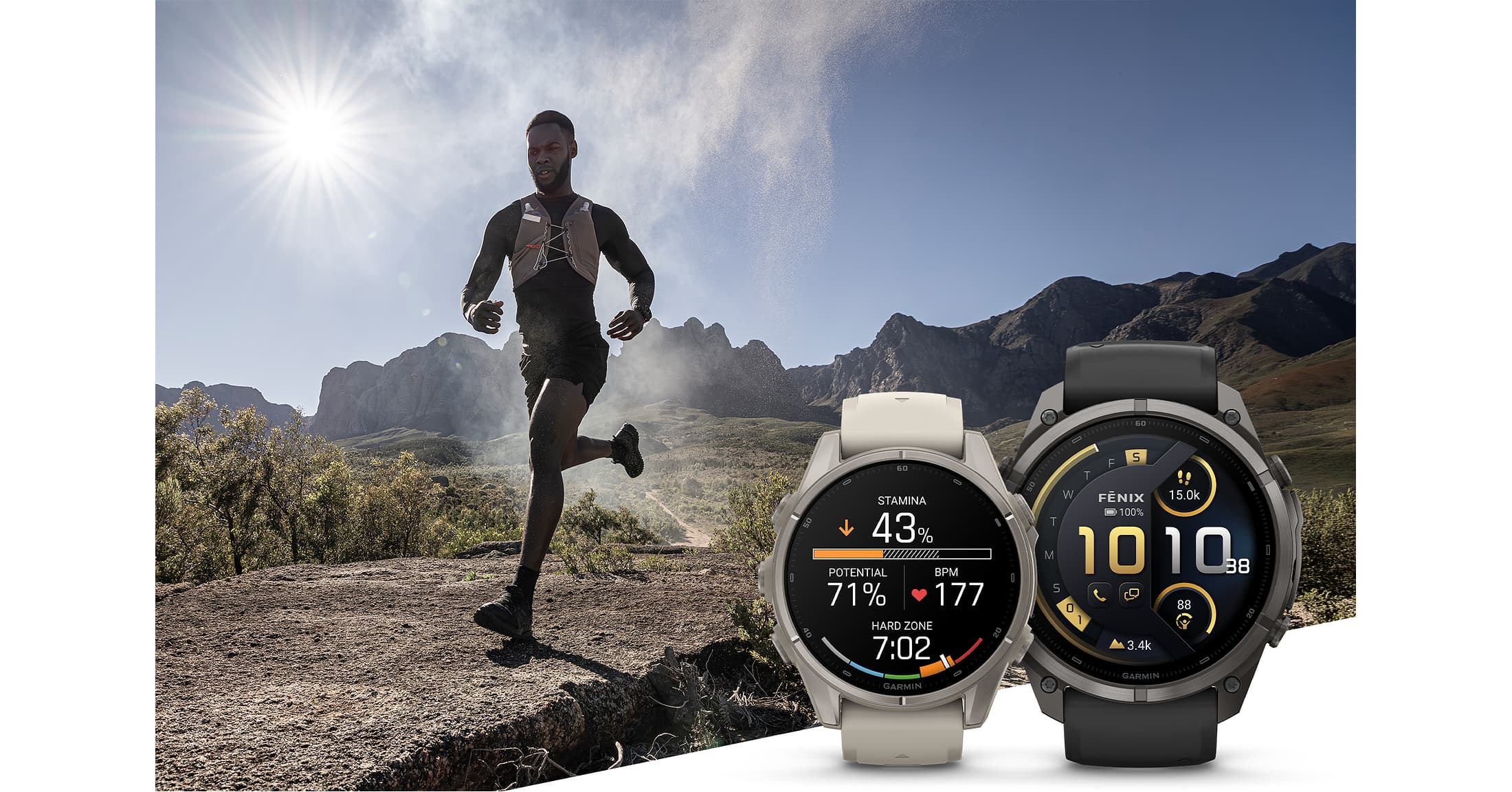
Before reading too much into the partnership, it helps to know what the Oura Ring is and is not. It is a passive recovery and readiness tracker. The ring uses PPG optical sensors to read blood volume changes at the finger, which is one of the best wrist-adjacent sites for optical heart rate and HRV capture outside of a chest strap. Finger-based PPG consistently outperforms wrist optical sensors in noise rejection during rest, which is why Oura's resting HRV and overnight heart rate data is genuinely cleaner than what you get from a Garmin Fenix 8 or Apple Watch Ultra 2 in most sleep scenarios. It also tracks skin temperature, respiratory rate, and SpO2, all optically, all passively during sleep.
What it does not do is real-time GPS tracking, lap splits, power meter integration, or structured workout guidance. There is no barometric altimeter for elevation. No satellite positioning. If you want to pace a 10K or track a triathlon, you are reaching for your Garmin or Coros, not your Oura. The ring knows what happened to your body. It does not know where your body went.
How It Compares to Whoop and Garmin Recovery Tools
The closest competitor in the recovery-only space is Whoop 5.0, and the comparison is worth making directly. Whoop charges a subscription (around $239 per year in 2026), while Oura charges $5.99 per month after the hardware purchase of roughly $299 to $399 depending on finish. Both deliver daily readiness scores built from HRV, resting heart rate, sleep staging, and sleep duration. Whoop edges Oura on strain tracking during workouts because it can handle motion artifact better during high-intensity efforts with its wrist placement and algorithm tuning. Oura edges Whoop on form factor discretion and sleep data granularity. Neither replaces a Garmin or Polar Vantage V3 for athletes who need GPS and real-time metrics.
For the USTA context specifically, tennis players sit in an interesting middle zone. Match play involves explosive intervals and long recovery windows, making HRV-based readiness scoring genuinely relevant for coaches managing player loads across a two-week Grand Slam draw. Oura's temperature deviation tracking is also useful for catching early illness signals before they become a DNS. The partnership with USTA Coaching suggests the data layer, not just the brand exposure, is part of the deal.
Use Cases for Endurance Athletes
For the triathlete, runner, or cyclist reading this, the Oura Ring works best as a complement to your primary GPS watch, not a replacement. Wear it overnight and during low-activity windows to capture clean resting metrics. Check your readiness score before deciding whether a planned threshold session is worth pushing or backing off. The ring's seven-day trend view for HRV and sleep scores gives you a longer context window than most Garmin recovery features, which tend to focus on the previous 24 to 48 hours. CrossFitters and Hyrox athletes benefit from the same logic: the ring captures what the barbell days cost you, even if it cannot count the reps.
Coros does not offer a standalone recovery wearable, so Oura fills a gap in that ecosystem cleanly. Polar's Nightly Recharge on the Vantage V3 is a credible built-in alternative if you want one device to do everything, but the optical hardware on a wrist watch will always face more motion artifact than a finger sensor during sleep. Garmin's Body Battery is useful but remains more opaque in its methodology than Oura's published recovery algorithm inputs.
What is missing here is meaningful. Oura still has no real-time workout feedback. The step counting and calorie burn estimates are mediocre compared to a dedicated GPS watch. The readiness algorithm can be thrown off by alcohol consumption, travel, or high training loads in ways that feel oversimplified rather than nuanced. The ring also does not integrate natively with TrainingPeaks or Today's Plan, which matters to coached athletes whose coaches live in those platforms. Garmin Connect's ecosystem is simply deeper for structured training.
The USTA deal is smart marketing and probably decent science for tennis. For endurance athletes, the Oura Ring at $299 to $399 plus $5.99 per month earns its place on your finger if you already own a GPS watch and want better overnight recovery data than your Garmin or Coros provides during sleep. If you are choosing between this and a Whoop 5.0, go Oura if form factor matters and you prioritize sleep tracking. Go Whoop if you want better strain quantification during training blocks. Not a standalone solution. But a genuinely useful second device.
Mentioned watches
Head-to-head comparisons
Buying guides