Suunto vs Garmin Lawsuit Escalation
Before Strava filed its lawsuit against Garmin in October 2025, Suunto had already pulled the trigger. The Finnish brand sued Garmin first, and now Garmin has fired back with a countersuit. Two of the biggest names in endurance sport watches are locked in a legal fight, and athletes who rely on this gear every day deserve a clear-eyed breakdown of what is happening and why it matters.
What the Lawsuits Are Actually About
Patent litigation in the wearables space almost always comes down to sensor processing, data algorithms, or navigation features. Suunto built its reputation on barometric altimeters, GPS routing, and robust heart rate integration long before Garmin dominated the triathlon and running markets. The original Suunto filing likely targets specific implementations of those technologies, though the exact claims are still working through the courts. Garmin's countersuit is a standard defensive move in tech litigation: you allege infringement, I allege it right back, and we negotiate from positions of equal legal pressure.
This is not the first time Garmin has been in this position. The Strava lawsuit, filed in October 2025, targeted Garmin's route and segment features, which are core to the Forerunner and Edge ecosystems. Having two simultaneous IP disputes puts Garmin's legal team under serious strain, even for a company with annual revenues well above $5 billion. Suunto, by contrast, is a smaller operation now owned by Chinese investment group Amer Sports alongside Salomon and Arc'teryx, which gives it a different kind of financial backing.
How This Affects Product Development
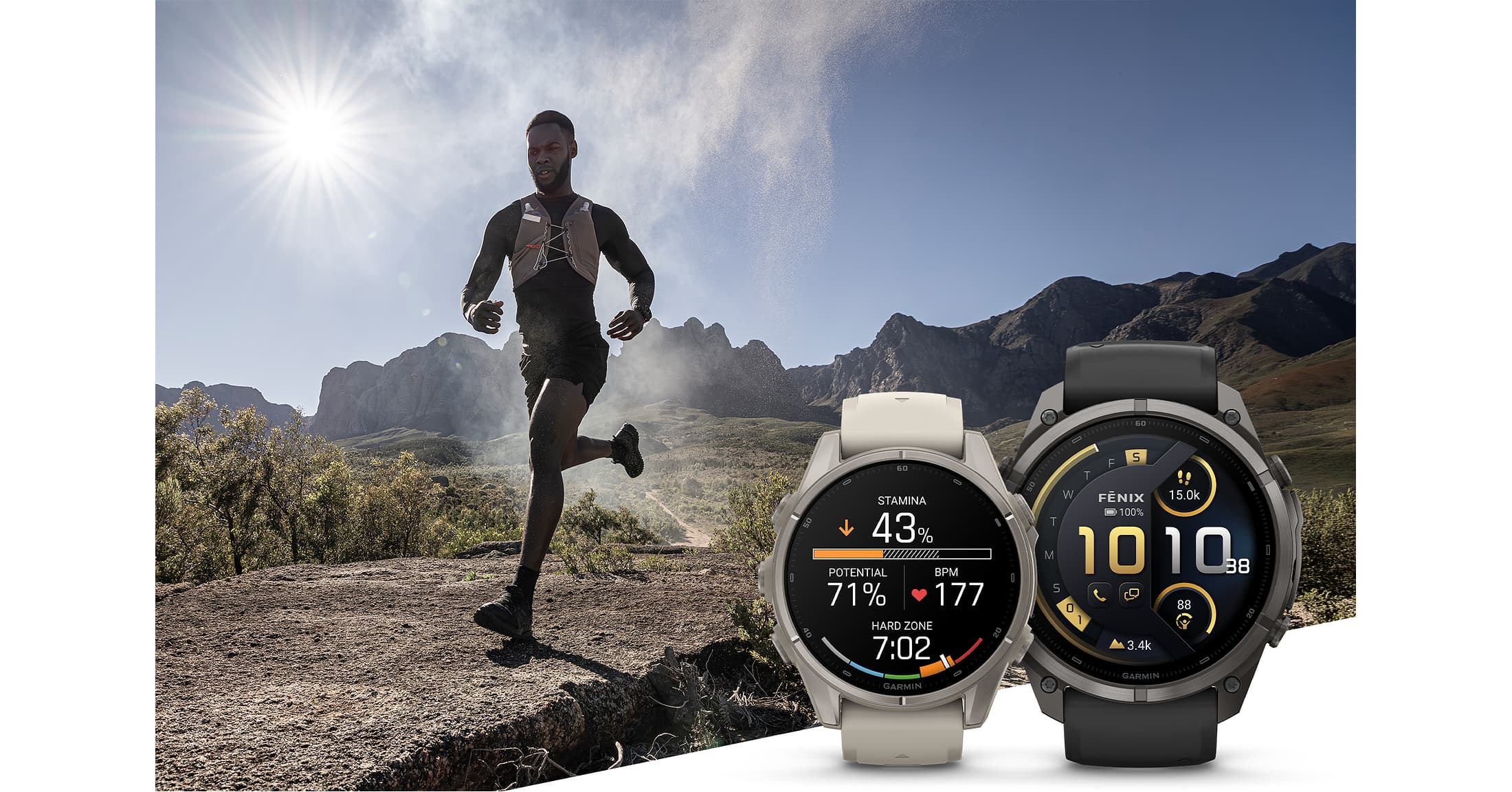
Legal battles like this slow things down. Engineers get pulled into discovery processes. Feature rollouts get delayed when lawyers flag overlap with disputed patents. Garmin's development pipeline for the Forerunner 970, Fenix 9, and Edge 1050 successors could face friction if courts issue injunctions or demand design-arounds on specific functions. Suunto's own roadmap for the Vertical 2 and Race series watches faces the same risk in reverse.
For athletes, the most realistic near-term impact is on software updates rather than hardware. Garmin Connect and Suunto App features tied to route navigation, barometric altitude tracking via air pressure sensors, and optical PPG-based recovery metrics are all areas where patent claims tend to cluster. A court order forcing either brand to disable or alter a specific algorithm would be felt immediately across millions of active devices. That is not a hypothetical: Apple and Samsung went through exactly this cycle between 2011 and 2018, and users paid the price in delayed features.
Comparing the Two Brands on Core Athlete Metrics
Strip away the legal noise and you still have two genuinely strong platforms. Garmin's optical PPG sensors on the Forerunner line and Fenix series log heart rate via light-based blood volume detection, and the accuracy against a chest strap using electrical ECG signals is competitive, typically within 2 to 3 beats per minute during steady-state running. Suunto's Race and Vertical watches use a similar wrist-based PPG approach, and independent tests put them roughly on par with Garmin during cycling and running, though both fall behind Polar's H10 chest strap for interval accuracy.
GPS performance is where Garmin still leads. Multi-band GPS on the Forerunner 965 and Fenix 8 tracks cleaner in urban canyons and dense trail cover compared to Suunto's equivalent implementation on the Vertical. Coros Pace 3 undercuts both on price while matching GPS accuracy in most open conditions. Whoop 5.0 does not offer GPS at all, positioning it purely as a recovery and strain tool rather than a training watch. The lawsuit does nothing to change these hardware realities, but it could affect which software features remain available long-term.
What is disappointing here is the broader chilling effect on the sport tech ecosystem. Small feature innovations that one brand develops get locked up in litigation instead of being licensed or openly iterated on across the industry. Athletes end up with fewer choices or artificially differentiated products. Suunto has struggled to regain market share since its peak in the early 2010s, and burning resources on lawsuits instead of closing the gap with Garmin on training load metrics, recovery algorithms, and platform integrations feels like the wrong priority.
Bottom line: if you are buying a watch today, none of this changes the hardware value. A Garmin Forerunner 965 at $599 or a Suunto Race at $499 are both excellent tools for triathletes and runners. The legal fight is one to watch for software feature availability over the next 12 to 24 months, especially if you depend on navigation or altitude-based training data. Keep an eye on court filings, but do not let lawyers pick your next watch.
Mentioned watches
Head-to-head comparisons
Buying guides